

sebnc.over-blog.com/
18 Janvier 2021

You can install Audio Units plug-ins from manufacturers other than Apple to process audio in Logic Pro, GarageBand, and Final Cut Pro. When installed, Audio Units plug-ins appear as individual components in the Library folders on your Mac:
Even though Logic Pro X offers a shredload of plugins that can make great guitar tones (or can be used creatively for distorted vocals for example), there's a whole other world of third-party guitar amp simulator plugins to explore. Here's an overview of some of the best free guitar amp plugins for Mac to get you started. Valhalla Frequency Echo (frequency shifter combined with echo emulation) Valhalla is known for its. One of the best free plugins for Logic Pro X is the Tyrell N6. This is a synthesizer that is nice and compact, combining analog sound with all the software you need to make it flawless. The package also includes new features and modules with an affordable price point and creative flow. With this list you should definitely be able to find a free pitch correction plugin that works great. You don't always need to be an internet ninja and try to find a free antares autotune vst. Cura 3d slicer. A lot of times there are amazing alternatives that work in pro tools, fl studio 20, logic pro x & ableton (whatever you record vocals in.).
Built-in effects and instruments included with Apple apps like Logic Pro, GarageBand, MainStage, and Final Cut Pro don't appear in the Library folders and can't be removed manually.
Do you use Logic Pro X? You need to know how to add plugins to logic pro x if you want to keep using it.
If you've spent any time producing music in Logic Pro X, you've no doubt come across instruments with plug-ins loaded into the Audio FX slots.
And, if you're new to Logic Pro X, and/or to making music in a DAW, you've probably wondered what the hell they are, what they do, and how to add plugins in Logic Pro X to create an extra layer of sophistication to your tracks.
You will generally start adding plugins after you've completed the sampling stage.
A plugin is a tool that you can apply to a track to manipulate the sound of the audio. You will generally start to apply plugins before you go on to the autotuning stage.
Prior to the age of digital audio and music production, they didn't exist at all.
In order to manipulate the sound using compression, delay, EQ or any other effect, you'd need to fire up a separate physical unit. Luckily, things are a lot easier in the world of DAWS like Logic, and a simple click of the mouse gives you access to a folder full of effects.
Some common types of plug-ins include:

Logic Pro comes with a library of fantastic, professional quality and highly usable plug-ins, but you also have the option to purchase or download third party units that can be used within the DAW (more on that later).
It can be easy to forego the need to use plugins in Logic Pro, not least because the sounds generated by some of its stock instruments are amazing.
But, you run the risk your finished tracks sounding like everybody else's. After all, they have access to the exact same instrument sets.
By simply experimenting with Logic's built in plugins (the stock ones are great), you greatly expand the diversity and quality of your tracks, differentiate yourself from the thousands of other producers out there, and have more control over the final sound.
Adding a plugin to a track in Logic is ridiculously easy. Unreal tournament playstation 2. Gone are the days of complex patch bays and external processing units!
On the track's channel strip (either to the left of the edit window, or inside the mixer window), click on a blank slot under Audio FX. Choose a plugin from the drop down list. You'll notice Logic's stock plugins are organised by type (a folder for Delay, a folder for Modulation etc).
Any third party plugins are located under Audio Units at the bottom of the list.
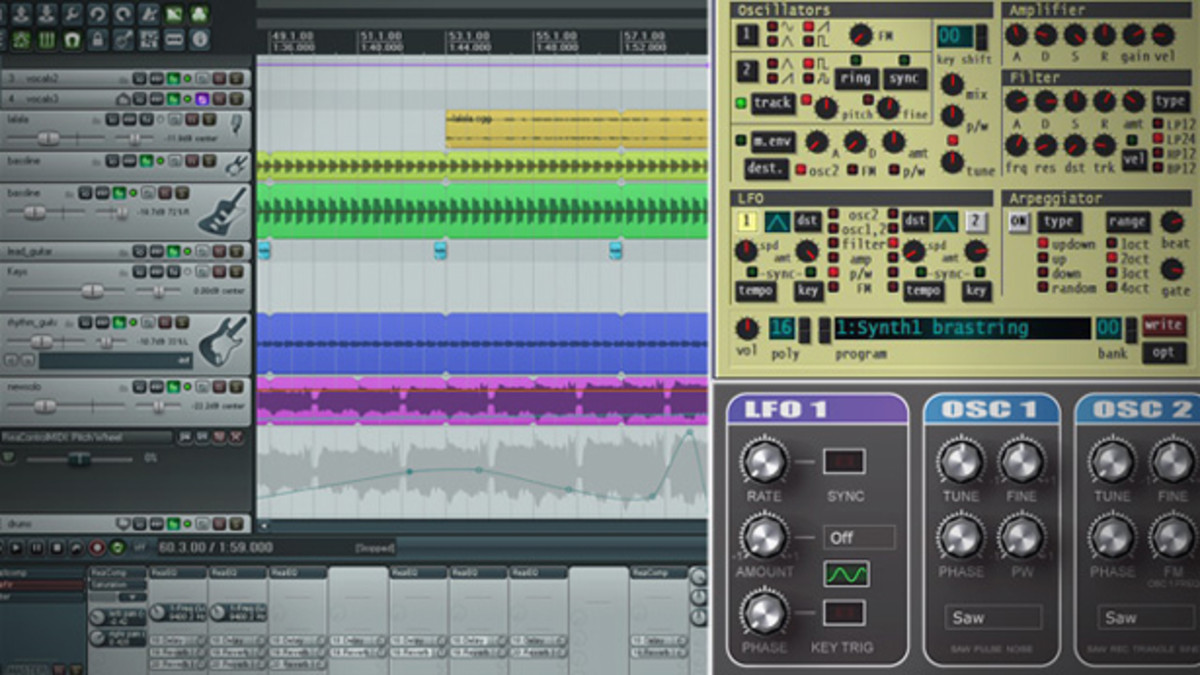
Audio Units are the file format Apple accepts for its third party plugins. Other DAWs use formats such as VST and AAX. You'll learn how to import third party plugins further down in the article.
If you're brand new to using plugins, a great place to start is Logic's Channel EQ. It's highly visual, intuitive, and is a perfect way to understand the way that plugins manipulate the sound of your tracks.
Logic's stock plugins are built into the code of the software itself, so you will not be able to locate them on your Mac, or use them with any other software.
Third party plug-ins (Audio Units) however are stored in a folder on the Macintosh HD, and you can find them here:
If you've installed new third party plugins, Logic should recognize these automatically when you fire the software up. If Logic Pro is not showing your Audio Units plugin, try quitting the software and opening again, or restarting your Mac.
Still not working? Head to Logic Pro X>Preferences (make sure you have Show Advanced Tools ticked), and select the Plug-In Manager.
Depending on your version of Logic, this may also be called the Audio Units Manager, or AU Manager. Hit ‘Reset and Rescan Selection' and let Logic do its business and scan the Macintosh HD. Your Audio Units file should be installed and recognised by Logic's Plug-In Manager in no time.
The short answer is no. Apple uses the Audio Units (AU) file type for its third party plugins. There are, though, a few 'VST wrappers', which serve to turn VSTs into AUs for use in Logic.
This is kind of like converting a WAV file to an MP3.
To list a few that could be installed on your Mac:
So, now that you know how to add a stock Apple or third party plugin to Logic Pro X, it's time to start levelling up your music production!
Logic has a huge library of great plugins, and there are a number of free ones available too, just search 'free AU plugin' and get creating! Bazi online pc.


/image%2F6313631%2F20210327%2Fob_88c978_bethesda-mobile-site.jpeg)
/image%2F6313631%2F20210327%2Fob_d726db_stronghold-2-ps4.jpeg)
/image%2F6313631%2F20210327%2Fob_98069c_office-356-free-trial.jpeg)
/image%2F6313631%2F20210327%2Fob_81b0b5_huawei-file-transfer-pc.jpeg)